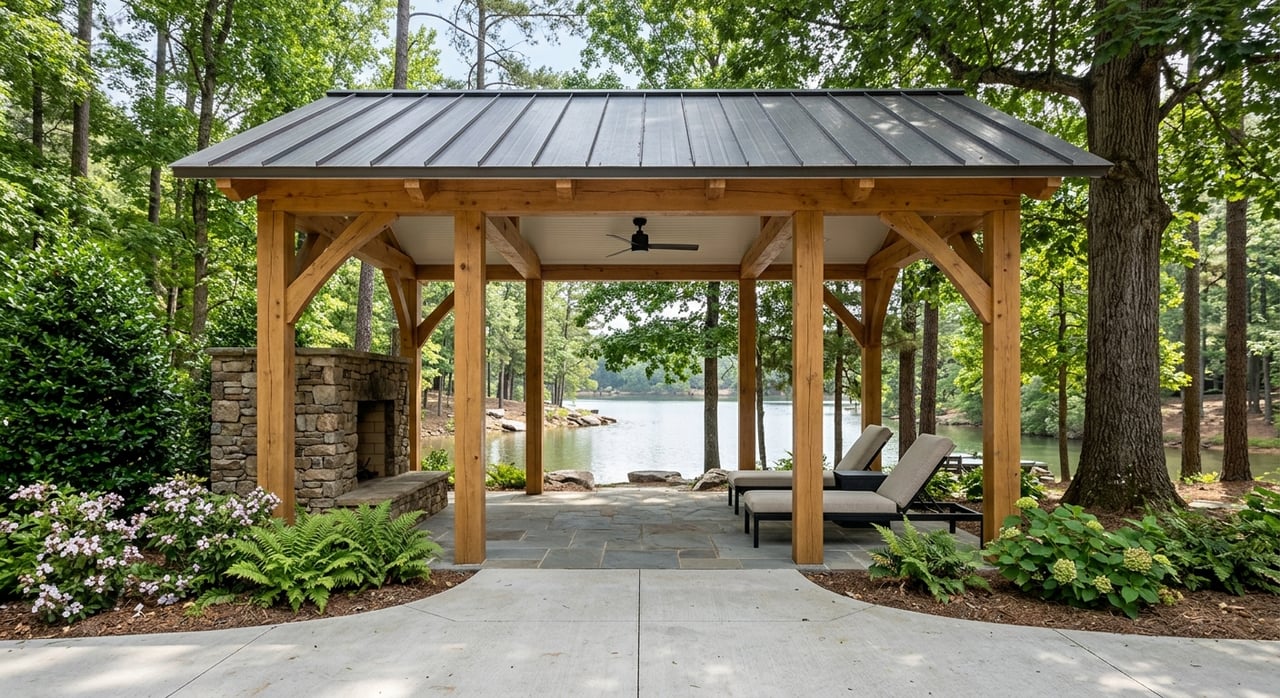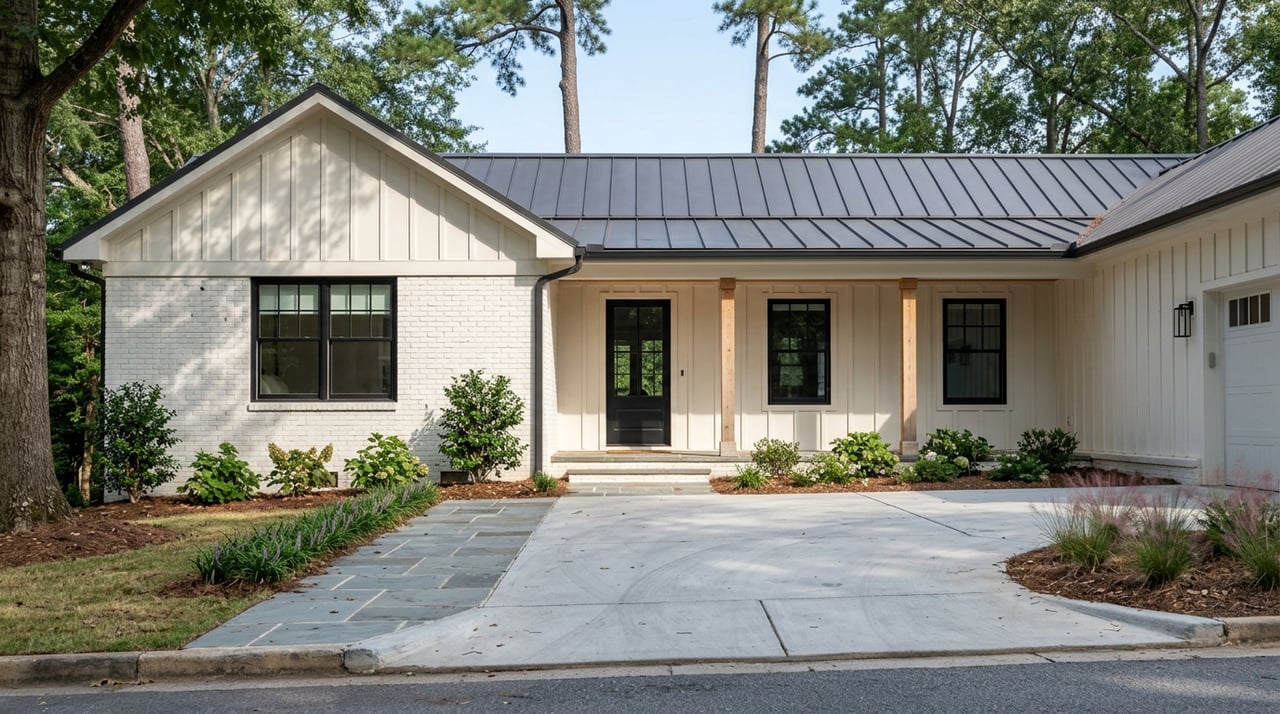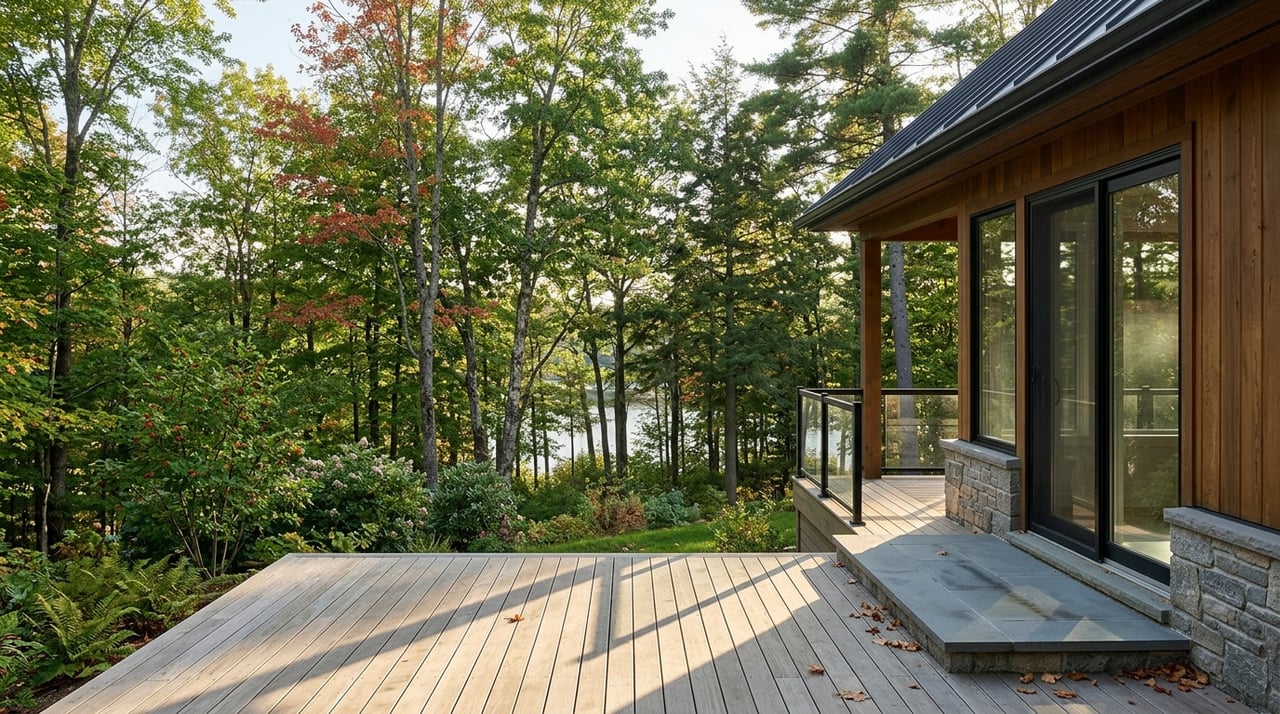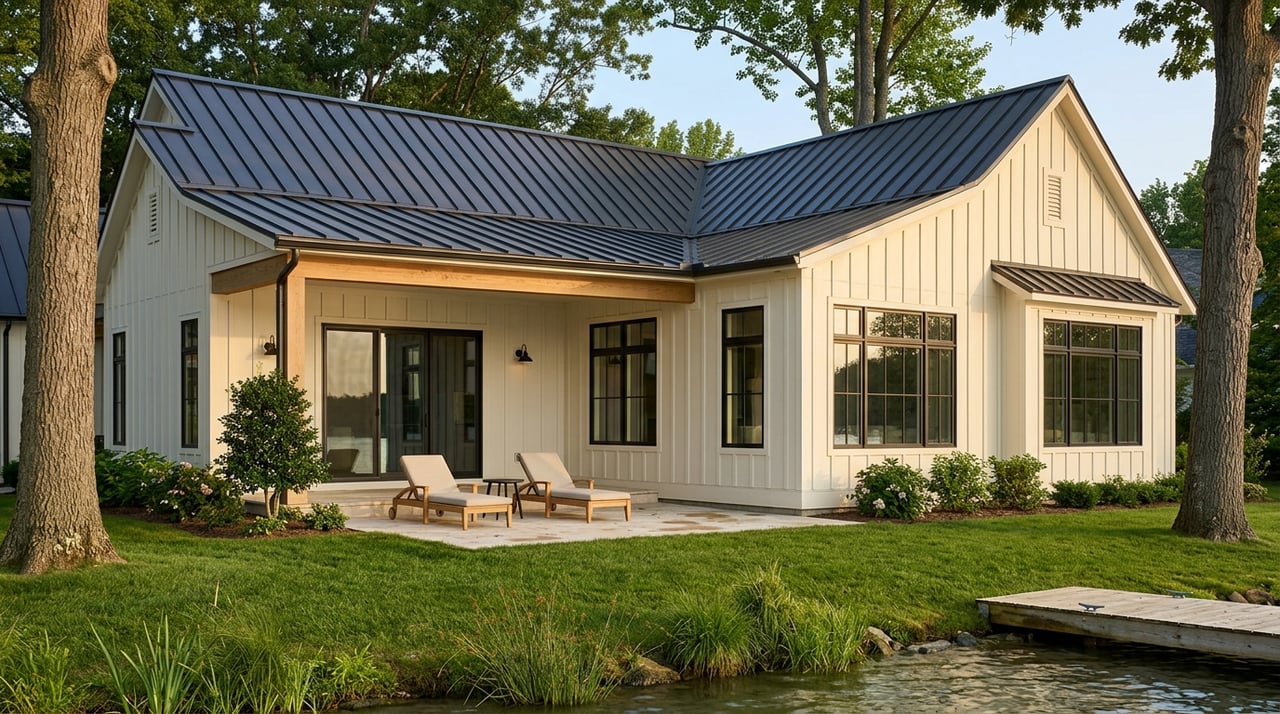
Thinking about selling in Anchors Landing and not sure where to start? On Lake Hickory, details like dock permits, shoreline rules, septic paperwork, and HOA policies can matter as much as paint and pricing. This guide gives you a clear, step‑by‑step plan to prepare your home or lot, avoid surprises, and showcase the lifestyle Anchors Landing buyers want. You will walk away with a document checklist, high‑impact prep tips, and a simple six‑week timeline. Let’s dive in.
Anchors Landing at a glance
Anchors Landing is a gated, lake‑community in Granite Falls with amenities often noted in listings, including a clubhouse, pool, walking trails, gated entry, community boat/day slips, and boat or RV storage. Annual HOA dues commonly land in the low four figures, but you should confirm your exact amount with the HOA.
Lake Hickory is part of the Catawba‑Wateree system, and Duke Energy Lake Services manages shoreline use and private dock permissions. If you have a dock or plan shoreline changes, confirm permit status early using Duke Energy’s Lake Services and shoreline management resources. North Carolina also protects riparian buffers in the Catawba basin. Trimming near the shoreline, tree work, or other land‑disturbing activity can trigger rules, so review the state riparian buffer standards before you schedule work.
Documents to gather before you list
Have these items ready before your first agent meeting. A tidy pre‑listing packet speeds marketing and builds buyer confidence.
Survey, plat, and parcel data
- Recent survey or recorded plat that shows lot lines and measured waterfront footage.
- Parcel map and deed references from the Caldwell County GIS viewer.
HOA documents and statements
- CC&Rs, bylaws, architectural guidelines, current budget, recent minutes, and an estoppel or dues statement.
- Confirm policies for boat or RV storage, community day slips, and any waitlists or transfer rules in writing.
Dock and shoreline permits
- Copy of any written dock, lift, or shoreline stabilization permits. Duke Energy is the permitting authority for many lake activities on the Catawba system. If you are missing paperwork, start here.
- For a sense of typical application items and timelines, review this practical dock permit checklist overview.
Septic and well documentation
- Copy of the septic permit or improvement permit, plus any service or repair records.
- Confirm the number of bedrooms supported by the current permit. Buyers and lenders will ask for it. See this guide to North Carolina septic permit verification for what to collect.
Flood maps and elevation certificates
- Pull your parcel’s flood zone from FEMA’s Flood Map Service Center. If a property is in a Special Flood Hazard Area, buyers with mortgages usually need flood insurance. Learn how maps work in FEMA’s official flood map guide.
- If available, include an elevation certificate. It can materially affect premiums and peace of mind.
Utilities and services snapshot
- Note if your home is on well or community water, and septic or sewer. Record providers for electric and broadband. Anchors Landing parcels can vary, so verify your setup and keep recent bills handy.
Pro tip: Combine these items into a single PDF labeled “Seller Facts” so your agent can attach them to the MLS. That alone can save days during negotiations.
Visual prep checklist that pays off
Small, focused updates show your home at its best. Start outside to make the lake lifestyle shine.
Universal exterior priorities
- Clean and declutter the yard. Mow, edge, remove debris, and store water toys and equipment before photos.
- Power‑wash siding, decks, railings, and walkways. Tighten loose boards and consider a fresh stain or paint on high‑traffic areas.
- Refresh curb appeal with clean house numbers, a tidy driveway, and trimmed branches.
- Add soft pathway or deck lighting to highlight outdoor living in evening photos.
- Book professional photography during golden hour. Drone or wide shots that show water proximity and community context make a difference. The National Association of REALTORS reports that staging and quality media increase buyer interest, which supports a focused prep plan. See NAR’s Profile of Home Staging for buyer insights.
Lakefront must‑dos
- Verify permits and transferability. Include the Duke Energy permit number and copies in your packet. Missing permits can delay or derail deals.
- Tune up the dock and lift. Replace worn decking, tighten hardware, service the lift and shore power, and clear clutter before photos.
- Clean the shoreline. Remove trash and address invasive growth with a qualified shoreline contractor. Keep records of any riprap or bulkhead maintenance and permits.
- Frame the view, do not strip it. Selectively prune low limbs or shrubs that block sightlines after you review the Catawba basin riparian buffer rules.
- Stage for outdoor living. A simple vignette with two Adirondack chairs, neutral cushions, and planters signals how buyers will use the space. NAR’s staging data supports these modest spends.
Wooded or interior lots
- Create a “view corridor.” On lots with seasonal or partial lake views, prune carefully to reveal the water from key rooms while maintaining privacy. Confirm any required approvals first.
- Highlight access. If you use a walking path to community slips, clear and mulch the trail and consider subtle solar lighting so buyers immediately see how to reach the water.
Safety and inspection priorities
- Consider a pre‑listing inspection with targeted trades. Roof, gutters, HVAC, electrical, and deck or dock structure top the list.
- For septic systems, schedule an inspection and pump if needed. Provide the county permit that confirms bedroom count. Caldwell County Environmental Health is the authority on septic permits.
Dock and shoreline: what to verify and who to call
Before you market any claim of private water access, answer these questions in writing:
- Is there a current Duke Energy dock or shoreline permit, and does it transfer with the sale? Start with Duke Energy Lake Services for status and next steps.
- How does the HOA handle day slips and boat or RV storage? Are slips assigned, transferable, or on a waitlist? Get the rules from recent minutes or an estoppel letter.
- Which pros should you line up? Plan for a licensed dock builder or marina service for lift work, a licensed electrician for dock power, and a shoreline stabilization contractor if you have riprap or a bulkhead. Permit applications often require drawings, photos, and surveyed locations, and processing is typically measured in weeks, not days. This permit checklist overview shows common requirements.
Pricing what matters on Lake Hickory
Buyers in Anchors Landing respond to a clear story about access, lifestyle, and condition. Highlight these value drivers in your marketing copy and price strategy:
- Direct, usable shoreline footage and a permitted private dock or a confirmed community day slip.
- The shape and depth of the shoreline. Gentle, beach‑style entries can appeal to some buyers, while deeper water is attractive to boaters.
- The quality and transferability of any dock permit, the presence and condition of a boat lift, and whether boat or RV storage is available through the HOA.
- View orientation, privacy from wooded buffers, and the amenity package. Gated entry, pool, clubhouse, and trails are lifestyle features that support premium positioning when paired with strong media.
Be upfront about items that can cap price or reduce the buyer pool. Missing or expired dock permits, failing shoreline stabilization, septic capacity limits, or a flood zone designation can all affect value. Provide documentation early to keep qualified buyers engaged and reduce surprises.
When you set list price, match your comps by water access type. A private dock with lift is not the same as a community day slip or a seasonal view. Spell out exactly what transfers with the sale, including the dock, lift, and any slip rights. Clarity shrinks buyer hesitation and helps appraisers value the correct features.
A simple six‑week pre‑listing timeline
Use this sample schedule if you are close to calling an agent.
Weeks −6 to −4: Paperwork and planning
- Gather survey, plat, deed references, septic permit, HOA packet, tax info, and dock permits. Save FEMA flood map outputs for your parcel and any elevation certificate.
- Pull parcel details and recorded plats from the Caldwell County GIS.
- Optional but helpful: book a pre‑listing home inspection to target repairs early.
Weeks −4 to −2: Repairs, permits, and staging prep
- Complete priority exterior fixes. Tackle deck and dock safety items, power‑wash, prune for sightlines, and clear the shoreline.
- If you need a new or modified dock permit, start now. Duke Energy processing can take weeks.
- Schedule professional photography and, if needed, light staging. NAR’s staging profile can help you set a reasonable budget.
Week −1 to launch: Finalize and go live
- Confirm price using water‑type‑matched comps, and document exactly what transfers.
- Upload the full document packet to the MLS so buyers and lenders have what they need on day one.
- Shoot media during golden hour, include drone angles that show proximity to Lake Hickory and community amenities.
Quick answers buyers will ask
Prepare short, clear responses and back them with documents.
- Dock status: Is it permitted and does it transfer? Provide the permit number and Duke Energy contact details.
- Septic capacity: How many bedrooms does the permit allow? Include the county permit and any recent service.
- HOA policies: What are the rules on community slips, storage, and rentals? Share CC&Rs, minutes, and an estoppel.
- Flood zone: Is any part of the parcel in a Special Flood Hazard Area? Include FEMA map outputs and any elevation certificate.
Work with a local lake specialist
Selling on Lake Hickory is part paperwork and part presentation. With the right prep, you can move fast, reduce risk, and capture the value of waterfront living. If you want a hands‑on partner who knows Anchors Landing, lean on the boutique, broker‑led service at Zema Realty. Get a Free Home Valuation or Call Robin for Local Market Guidance.
FAQs
What should Anchors Landing sellers do first to prepare?
- Start with documents that answer buyer questions: survey or plat, HOA packet and dues, dock permit, septic permit, and FEMA flood map outputs. Use the Caldwell County GIS to pull parcel and plat info.
How do I confirm my Lake Hickory dock is permitted and transferable?
- Check your paperwork for a Duke Energy permit number. If missing, contact Duke Energy Lake Services to verify status and transfer rules before you list.
Do I need permission to trim trees near the shoreline?
- The Catawba basin has protected riparian buffers. Review North Carolina’s buffer rules for the Catawba lakes and consult the HOA before pruning or removing trees.
How can I check if my property is in a flood zone before selling?
- Search your parcel in FEMA’s system and save the map outputs. Learn how the maps work and where to look in FEMA’s official flood map guide.
Which inspections matter most for a lakefront home sale?
- Prioritize safety and function: deck and dock structure, electrical including dock power, roof and gutters, HVAC, and a septic inspection with the bedroom‑count permit. For dock work requirements and timing, see this permit checklist overview.