Dreaming about a second home where weekends feel easier and the water is part of everyday life? If Plantation Pointe on Lake Hickory is on your radar, you are probably looking for more than a pretty view. You want to know whether this community fits how you plan to use the property, what ownership really involves, and what details matter before you buy. This guide walks you through the practical side of owning a second home here so you can make a confident decision. Let’s dive in.
Why Plantation Pointe Stands Out
Plantation Pointe is a gated HOA community in Granite Falls on Lake Hickory. According to the official community site, the neighborhood includes 99 lots, with 78 lakefront lots, and every lot owner is part of the homeowners association.
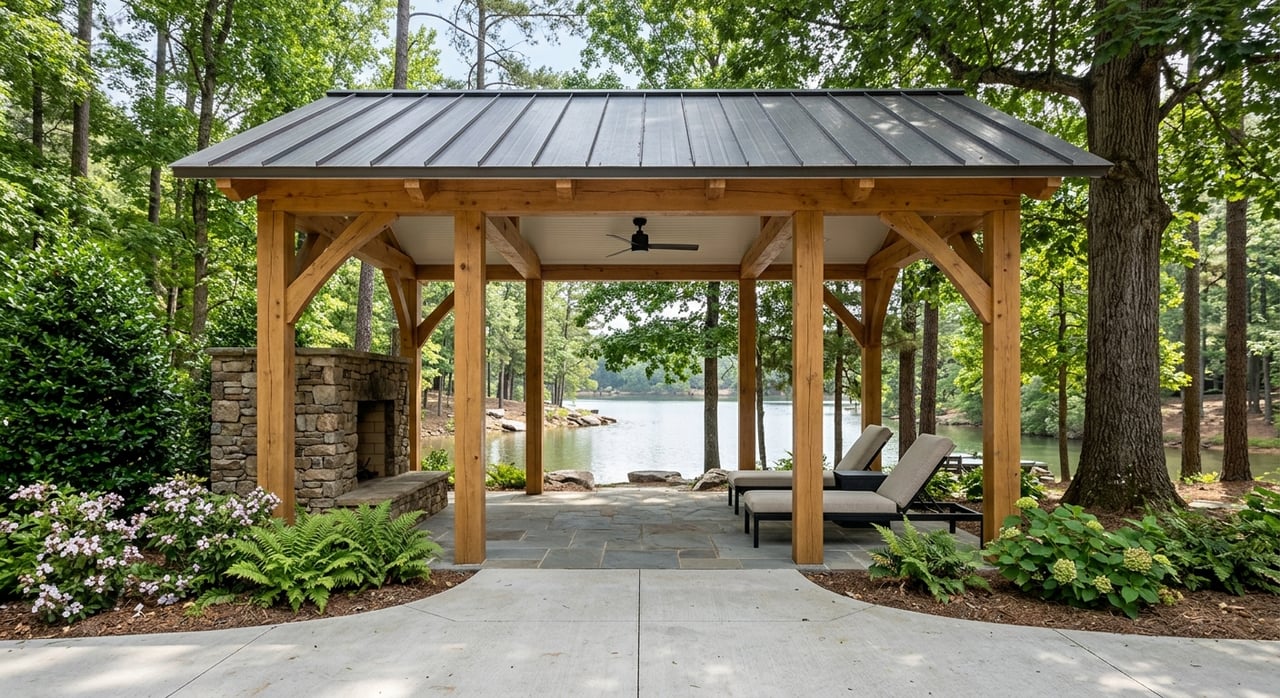
The community’s public information also shows a resident and guest gate, a separate construction gate, a community dock area, a graveled path to the dock, and lake access. For second-home buyers, that combination can be appealing because it supports a lake-oriented lifestyle in an established setting rather than a raw, still-developing area.
Lake Hickory itself is a mature residential lake market. A North Carolina basin report notes that the lake covers about 4,100 acres with roughly 106 miles of shoreline, and about 51% of that shoreline is already developed, mostly with single-residence homes.
What Second-Home Buyers May Find
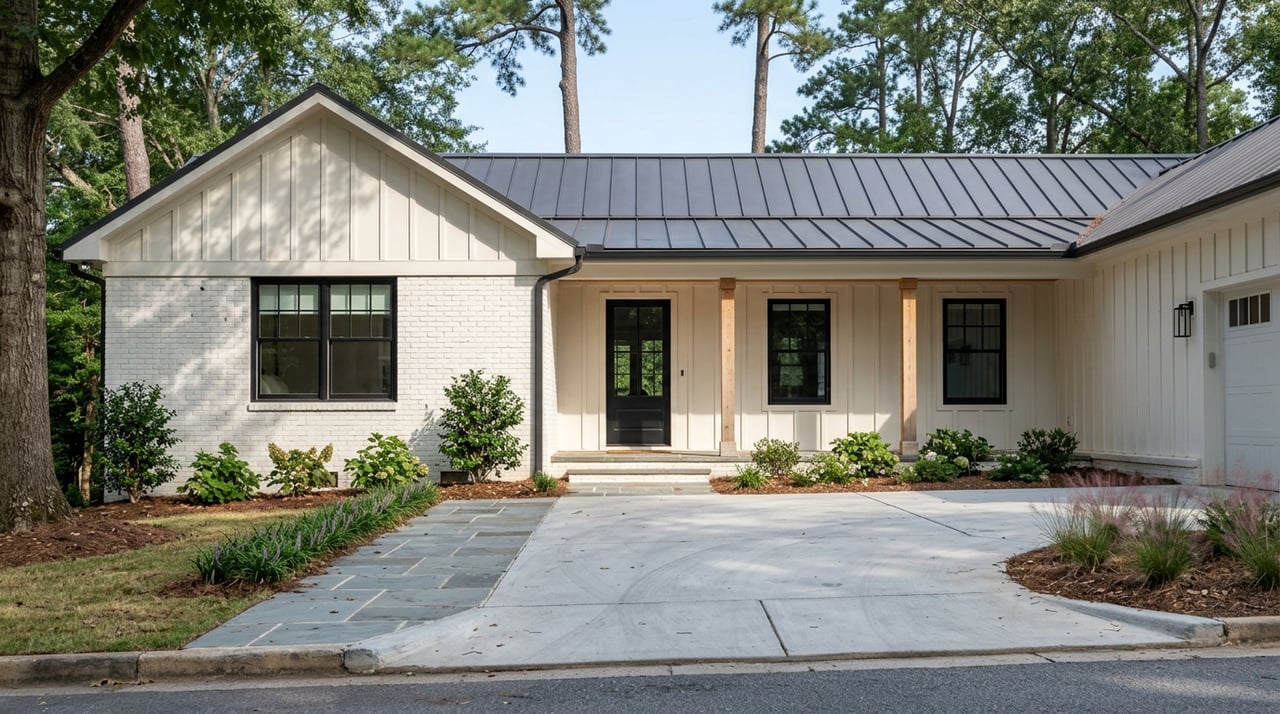
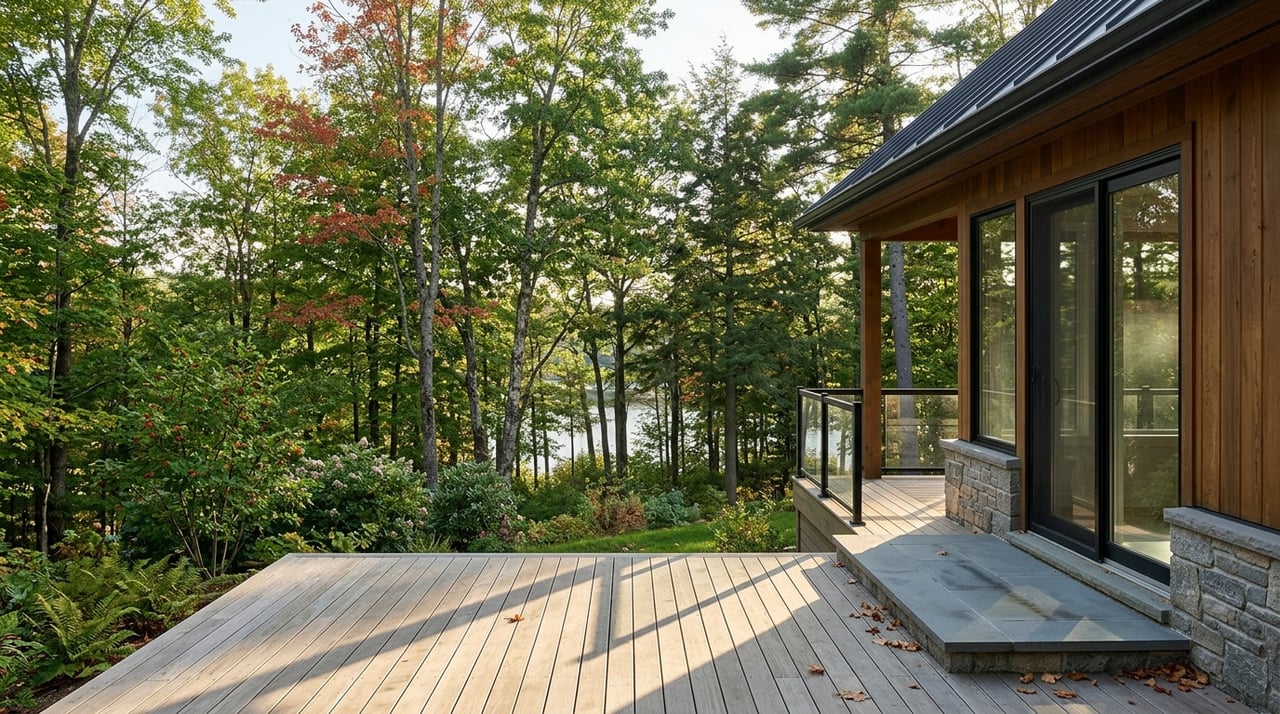
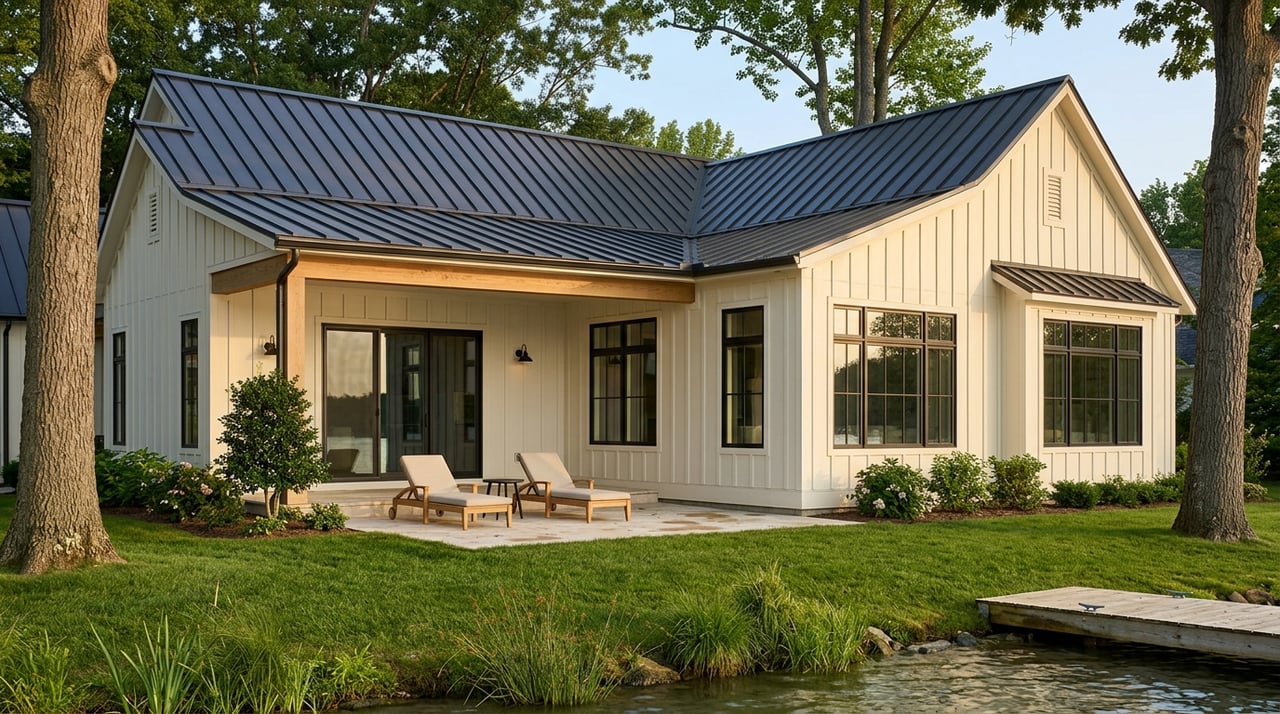
One of the useful things about Plantation Pointe is that it may appeal to more than one type of second-home buyer. Recent market examples show both vacant homesites and finished waterfront homes within the community.
That matters if you are still deciding how hands-on you want to be. Some buyers want a place they can start using soon, while others prefer a homesite and the chance to plan a custom build that better matches how they want to live on the lake.
The community documents page also points to a more structured ownership environment. Publicly available documents include covenants, bylaws, construction materials, a rental policy, and a SkyBest broadband agreement, which suggests buyers should expect planning, review, and rule compliance to be part of ownership.
Think First About How You Will Use It
Before you fall in love with the view, get clear on your goals. A second home in Plantation Pointe may work very differently for personal use than it would for an income strategy.
If your plan is mainly weekend escapes, holiday stays, and seasonal lake time, the community may align well with that lifestyle. If your plan depends on short-term vacation rental income, this is where you need to slow down and read carefully.
The Plantation Pointe rental policy sets a minimum lease term of six months and prohibits short-term rentals under six months. It also states that owners remain responsible for the property’s appearance, general upkeep, and nuisance issues tied to tenants.
In simple terms, Plantation Pointe is not a strong fit for buyers hoping to offset costs with frequent short-stay rentals. It is better suited to buyers who want personal use, longer-term planning, or a second home that is not built around short-term rental turnover.
Lake Hickory Ownership Is Different
A second home on Lake Hickory can be rewarding, but waterfront ownership comes with extra layers of due diligence. This is not just a scenic lake. It is a working reservoir used for hydropower generation, recreation, and water supply.
Duke Energy notes that lake levels and scheduled flow releases can change with weather and power operations, and lake resources can be tracked through its lake-level tools and reservoir information. For you, that means dock access, shoreline depth, and cove conditions are worth checking regularly, especially after storms or periods of drawdown.
That is especially important if the property will sit empty between visits. A home that looks perfect during a showing may still require a clear plan for monitoring the dock, shoreline, and key systems when you are away.
Seasonal Conditions to Plan Around
The local climate supports year-round enjoyment, but it also creates maintenance needs. NOAA climate normals for the Hickory area show a mean January temperature of 39.7°F, a mean July temperature of 77.7°F, and about 47.15 inches of annual precipitation, based on 1991 to 2020 normals.
That generally means mild winters, warm and humid summers, and regular rainfall through the year. For a second-home owner, that points to a few practical priorities.
Key maintenance items to watch
- Roof condition
- Gutters and drainage
- Post-storm inspections
- Dock and shoreline checks
- HVAC and mechanical system monitoring
- Exterior moisture and water runoff issues
If you will not be at the home full-time, having a repeatable pre-arrival and post-storm routine can save you stress and help you catch issues early.
Budget Beyond the Purchase Price
It is easy to focus on down payment and mortgage numbers, but second-home ownership in a lake community usually includes several recurring costs. Looking at these early can help you decide what feels comfortable long term.
Start with property taxes. Caldwell County’s FY 2025 to 2026 ad valorem tax rate is 49.75 cents per $100 of valuation, which means a property assessed at $500,000 would result in about $2,487.50 in annual county tax before any other taxing authorities that may apply.
You should also factor in HOA dues. One recent market example reported annual HOA dues of $648 for common-area maintenance, but buyers should verify current dues and ask whether any special assessments apply to the specific property under contract.
Common second-home costs to review
- County property taxes
- HOA dues
- Homeowners insurance
- Possible flood insurance
- Dock upkeep and shoreline maintenance
- Internet or broadband service
- Utilities while the home is vacant
- Lawn care and periodic property checks
This is where a lake property budget often looks different from an inland second home. The waterfront itself can add both value and responsibility.
Flood and Insurance Questions Matter Early
Insurance should never be an afterthought with a second home, especially near the water. FEMA explains that flood insurance is separate from standard homeowners insurance, and flood maps are the official tool used to determine flood-hazard status and related requirements.
For Plantation Pointe, that means you should confirm the parcel’s flood-zone status early. You will also want to ask whether flood insurance is required by a lender, advisable for your comfort level, or tied to specific site features.
Even if a home is not in a high-risk zone, it is still smart to ask detailed insurance questions upfront. This is one of those areas where early clarity can prevent last-minute surprises.
Docks, Shoreline Work, and Permits
Many buyers are drawn to Plantation Pointe because of the lake access and potential waterfront setup. But dock and shoreline improvements are not simply a matter of preference or budget.
Duke Energy states that shoreline activities and projects such as docks, dredging, stabilization, and dock maintenance on Duke-owned lake property may require permits, application steps, and fees. If you are considering repairs, upgrades, or future improvements, that process should be part of your planning.
This is particularly important if you are buying a lot and thinking ahead to construction, or if you are purchasing an existing waterfront home with a dock that may need work. Understanding what is already approved and what may require new review can help you avoid costly assumptions.
Is a Lot or Finished Home Better?
This is one of the biggest strategic choices for second-home buyers in Plantation Pointe. There is no one-size-fits-all answer, but your timeline, budget, and tolerance for project management should shape the decision.
A finished home may be a better fit if you want to start enjoying the property sooner and limit the number of moving parts. A lot may make more sense if you want to customize the home, are comfortable working within HOA and construction requirements, and are prepared for a longer process.
Because Plantation Pointe’s public documents include construction rules and related materials, buyers considering land should expect a more review-oriented path than they might find in a less regulated neighborhood. That is not necessarily a drawback, but it is something to go into with open eyes.
Questions to Ask Before You Buy
If you are seriously considering a second home in Plantation Pointe, these are smart questions to bring into your search:
- Will you use the home mainly for personal stays, or were you hoping for rental income?
- Do you want a move-in-ready home or a homesite for a future custom build?
- Are you comfortable with HOA rules, construction review, and community policies?
- Have you reviewed flood-zone status and insurance options for the specific parcel?
- Do you understand the condition and permitting status of any dock or shoreline features?
- Do you have a plan for monitoring the property when you are away?
- Have you budgeted for waterfront maintenance, taxes, HOA dues, and recurring services?
The more clearly you answer these questions, the easier it becomes to tell whether Plantation Pointe is the right fit for your second-home goals.
Why Local Guidance Helps
Buying a second home on the lake is rarely just about square footage or finishes. You are also evaluating HOA rules, waterfront responsibilities, insurance questions, and how the property fits your lifestyle over time.
That is where local insight becomes valuable. In a community like Plantation Pointe, small details can shape the ownership experience in a big way, from lease restrictions to shoreline upkeep to the difference between a beautiful lot and a practical one.
If you are exploring Plantation Pointe or comparing lake homes around Lake Hickory, working with a broker who understands these micro-market details can make the process a lot smoother. When you are ready for personalized guidance, connect with Zema Realty for local insight and a high-touch approach tailored to your goals.
FAQs
What makes Plantation Pointe different for a second-home buyer?
- Plantation Pointe is a gated HOA community on Lake Hickory with lake access, community amenities, and a more structured ownership environment that includes covenants, bylaws, and community policies.
Can you use a Plantation Pointe home as a short-term vacation rental?
- No. The community rental policy sets a minimum lease term of six months, so short-term rentals under six months are not allowed.
What should you budget for when buying a second home in Plantation Pointe?
- You should review county property taxes, HOA dues, insurance, possible flood insurance, utilities, broadband, dock upkeep, shoreline maintenance, and routine vacant-home monitoring costs.
Why do lake levels matter for Plantation Pointe owners?
- Lake Hickory is a managed reservoir, so water levels can fluctuate with weather and hydropower operations, which can affect dock access, shoreline conditions, and cove depth.
Should you check flood maps before buying in Plantation Pointe?
- Yes. Flood-zone status can affect lender requirements, insurance needs, and your long-term ownership costs, so it is smart to confirm this early in the process.
Is Plantation Pointe better for buying land or a finished home?
- It depends on your goals. A finished home may offer quicker enjoyment, while a lot may suit buyers who want a custom build and are comfortable with HOA review and a longer timeline.