Planning a new fence, deck, or paint color in Lakeside Reserve? Before you break ground or pop the first paint can, you will likely need Architectural Review Committee approval. It can feel like an extra step, especially if you are eager to start, but the ARC process protects community standards and helps you avoid costly do-overs. In this guide, you will learn what typically needs approval, how to submit a complete application, realistic timelines, how permits fit in, and what buyers should check before closing. Let’s dive in.
What the ARC does in Lakeside Reserve
The Architectural Review Committee enforces the community’s recorded covenants and design guidelines. The goal is to preserve property values and the look and feel of the neighborhood, while addressing safety, drainage, and neighbor impacts.
The ARC’s authority comes from the association’s CC&Rs, bylaws, and any recorded design standards, and it operates within North Carolina’s planned-community laws. ARC approval is separate from county building permits. In some communities you must obtain ARC approval before applying for a permit, while others allow you to submit in parallel. Always confirm the required sequence before you start.
Projects that usually need ARC approval
These exterior changes commonly require ARC review in communities like Lakeside Reserve:
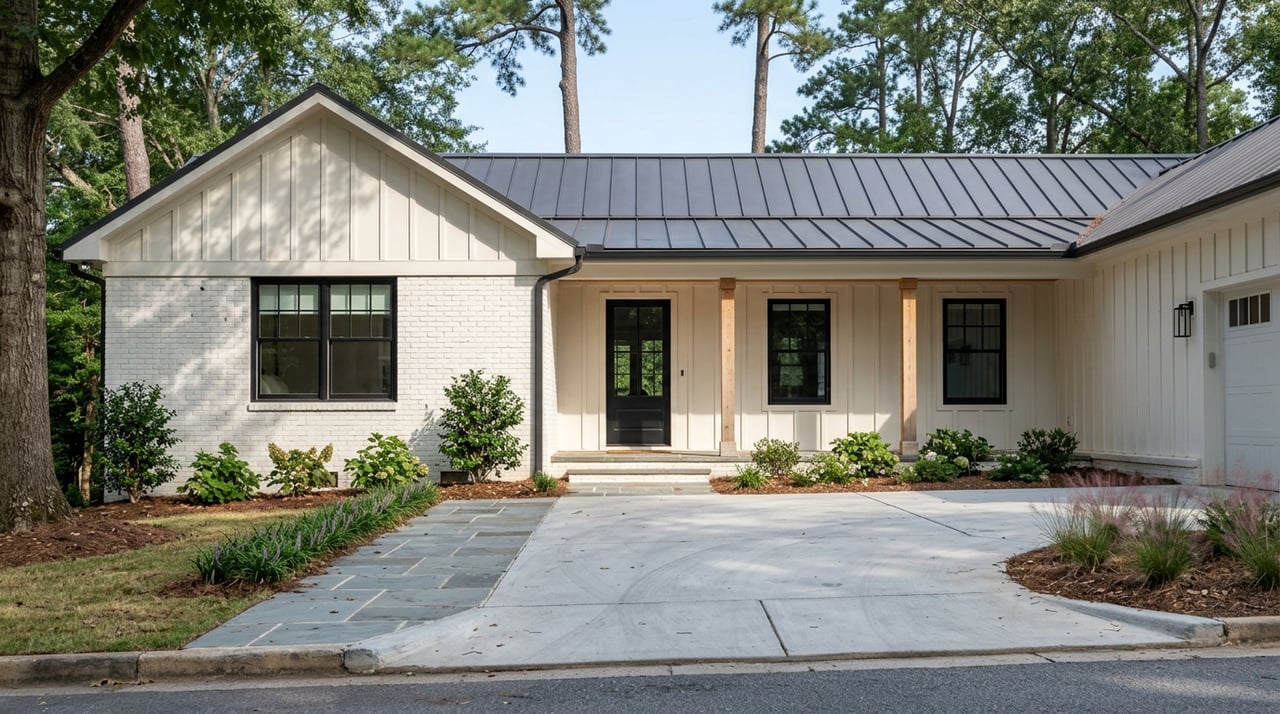
- Exterior painting or color changes
- Roof replacement if changing color or material
- Room additions or structural changes that alter the roofline or footprint
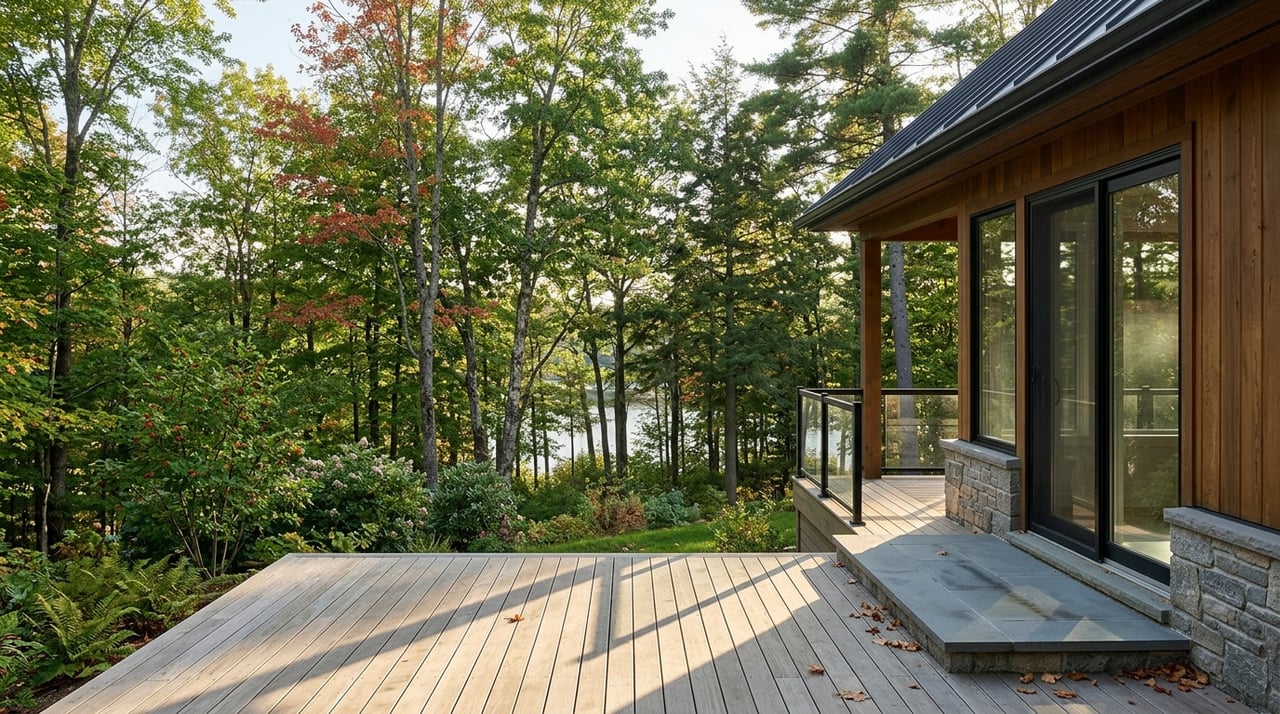
- Decks, porches, and significant patio expansions
- Fences, gates, and retaining walls
- Satellite dishes, antennas, and exterior communications equipment
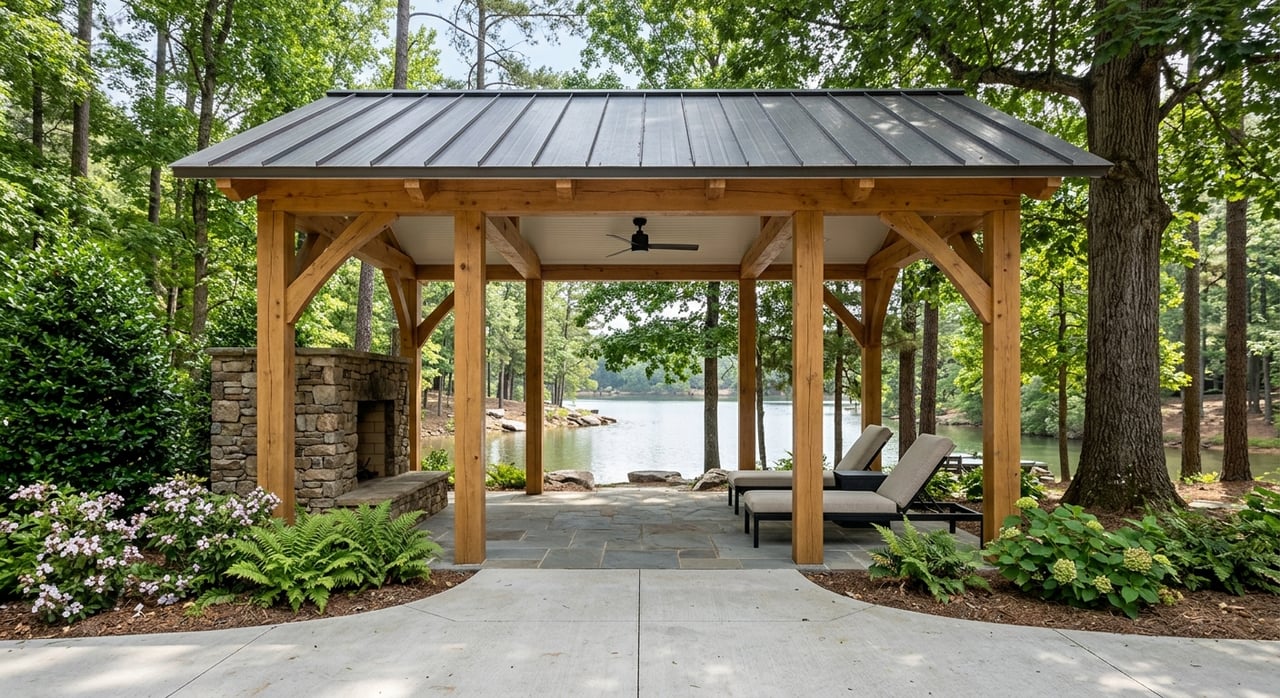
- Sheds, detached garages, gazebos, and pergolas
- Pools, hot tubs, and large hardscape features
- Driveway additions or major resurfacing and curb cuts
- Landscaping that changes front-yard appearance, visibility triangles, or drainage, including removal of significant trees
- Solar panels and visible HVAC or other exterior equipment
- Window replacements that change the appearance, such as grid or trim color
Projects that often do not need ARC review
- Interior remodeling that does not change the exterior
- Routine maintenance or like-for-like replacement with the same color and material
- Minor gardening or planting that does not alter drainage or the front-yard appearance
Community rules can vary. If in doubt, ask the HOA or management for guidance before you plan or purchase materials.
What to include in your ARC application
A complete, neat package reduces back-and-forth and speeds up review. Most committees look for:
- Signed ARC application form from the homeowner
- Site or plot plan showing lot lines, setbacks, and the exact location of proposed work
- Elevation drawings or photos showing the view from the street and neighboring lots
- Material samples and color swatches for roofing, siding, trim, and paint
- Manufacturer product sheets for items like windows, doors, solar panels, or fencing
- Construction plans or contractor drawings for structural work
- Drainage notes or a simple stormwater plan if grading will change
- Contractor details, including license number, insurance certificate, and contact info
- Project start and completion dates
- Copies of required permits if already obtained, or a note on your permit plan
- Photos of current site conditions from multiple angles
- Neighbor acknowledgment or notice if required by the community
- Any required application fee or refundable deposit
Double-check submittal requirements and cut-off dates with the HOA or management so your package reaches the next ARC meeting.
How the ARC review works
Most committees follow a predictable path:
- Pre-submittal: You review the design guidelines and may request informal feedback, especially for larger projects.
- Formal submission: You file the application with all required documents and fees.
- Administrative check: Management confirms completeness. Incomplete packages are put on hold or returned.
- Committee review: The ARC evaluates your plan and may request revisions or add conditions.
- Decision: You receive written approval, approval with conditions, or a denial.
- Implementation: You complete the work in line with approval and any required permits.
- Final inspection: The ARC or its representative may inspect and sign off once finished.
Realistic timelines in Lakeside Reserve
Every HOA is different, and meeting schedules drive timing. As a planning guide:
- Simple in-kind replacements: about 7 to 14 days if complete and allowed administratively
- Moderate changes like fences, decks, or paint changes: about 14 to 30 days
- Major projects such as additions, pools, or outbuildings: about 30 to 60 days or more
- Complex or contested applications: potentially several months
For medium to large projects, plan 2 to 3 months from first application to a cleared start date, plus time for county permits and inspections.
What speeds up approval
- Submitting a complete, organized package with scaled plans and product details
- Meeting published cut-off dates so your application lands on the next agenda
- Choosing licensed, insured contractors familiar with HOA work
- Communicating with neighbors early if notice is required or the work could affect them
- Responding quickly to ARC requests for clarification or revisions
Permits and ARC: who approves what
ARC approval and county permits serve different purposes. The ARC looks at aesthetics, consistency with community standards, sightlines, and neighbor impacts. Local permitting offices handle building codes, safety, and inspections.
Properties in Connelly Springs are commonly subject to Burke County permitting rules. Confirm which office handles your permit and whether the HOA requires ARC approval before you submit a permit application. Coordinate both processes to avoid redesigns and extra fees.
Drainage often matters for pools, retaining walls, and driveway extensions. Your ARC may ask for a basic runoff plan or modifications to reduce impacts on neighboring lots.
Avoiding violations and delays
Starting work without approval can be expensive. Typical enforcement tools include written violation notices with cure periods, monetary fines or daily penalties, and requirements to remove or modify noncompliant work. In serious cases, unpaid fines can lead to liens.
Outstanding violations can also complicate a sale. Lenders and title companies may require resolution before closing. Keep a permanent file with approvals, permits, and final sign-offs. Always get written approval before work begins.
Buyer due diligence for Lakeside Reserve
If you are purchasing a home or lot and planning improvements later, build ARC and permit timing into your decision. Ask the seller and HOA for:
- Full CC&Rs, bylaws, and recorded covenants
- Current design guidelines and any amendments
- ARC application forms and submittal instructions
- Copies of prior ARC approvals for the property
- Records of any outstanding violations or fines
- HOA meeting minutes for the past 12 to 24 months
- Management and ARC contact details
- The latest resale disclosure or resale certificate, if available
Key questions to ask:
- Are there any outstanding ARC-related violations or fines on this property?
- Have any exterior changes been made without ARC approval?
- What is the typical ARC turnaround time, and when are meeting deadlines?
- Is neighbor notification required? What is the appeals process?
- Are there any guidelines unique to Lakeside Reserve, such as approved colors, hardscape limits, or tree removal rules?
- Have there been recent or proposed covenant amendments that affect projects?
Watch for red flags like missing approval records for obvious exterior changes, unresolved violations, or vague design guidelines that hint at inconsistent enforcement.
Smart planning tips for your project
- Review CC&Rs and design guidelines early to identify setbacks, height limits, and color or material restrictions.
- Schedule a pre-application check-in with the ARC for larger or unusual projects.
- Submit a complete, easy-to-read package with scaled plans, elevations, color chips, and product sheets.
- Confirm whether ARC approval must precede permit applications, and plan both processes together if allowed.
- Notify adjacent neighbors when required or when your project could affect views, noise, or access.
- Use licensed, insured contractors with HOA experience.
- Expect approvals with conditions, and plan to satisfy them to get final sign-off.
- Budget for small contingencies in case the ARC requests adjustments.
Next steps
If you map out your ARC timeline, assemble a complete submittal, and coordinate with local permitting, you will save time and avoid stress. Whether you are repainting, adding a fence, or building a new outbuilding, a thoughtful plan keeps your project on track and your investment protected.
If you are weighing a purchase in Lakeside Reserve or planning a project before listing, let a local expert help you navigate timelines, documents, and contractor introductions. Connect with Zema Realty for broker-led guidance tailored to lake and mountain communities.
FAQs
Do I need ARC approval to repaint the same color in Lakeside Reserve?
- Often no for like-for-like repainting, but some communities require notice or an administrative sign-off. Check the current design guidelines before you start.
Which comes first in Connelly Springs: ARC approval or permits?
- It depends on the HOA rules. Some require ARC approval before permits, while others allow parallel submissions. Confirm the sequence with the HOA and permitting office.
How long does ARC approval take in Lakeside Reserve?
- Plan 14 to 30 days for moderate projects and 30 to 60 days or more for major work, depending on meeting schedules and completeness of your application.
What happens if I start work without ARC approval?
- You risk violation notices, fines, and a requirement to remove or modify the work at your expense. Always secure written approval first.
Will neighbor objections automatically block my project?
- Not automatically. The ARC looks at compliance with guidelines. Neighbor input may be considered, but the committee decides based on the rules.
What should buyers request before closing on a Lakeside Reserve home?
- Ask for CC&Rs, design guidelines, prior ARC approvals, any violation history, recent meeting minutes, and the resale disclosure to understand constraints and timelines.