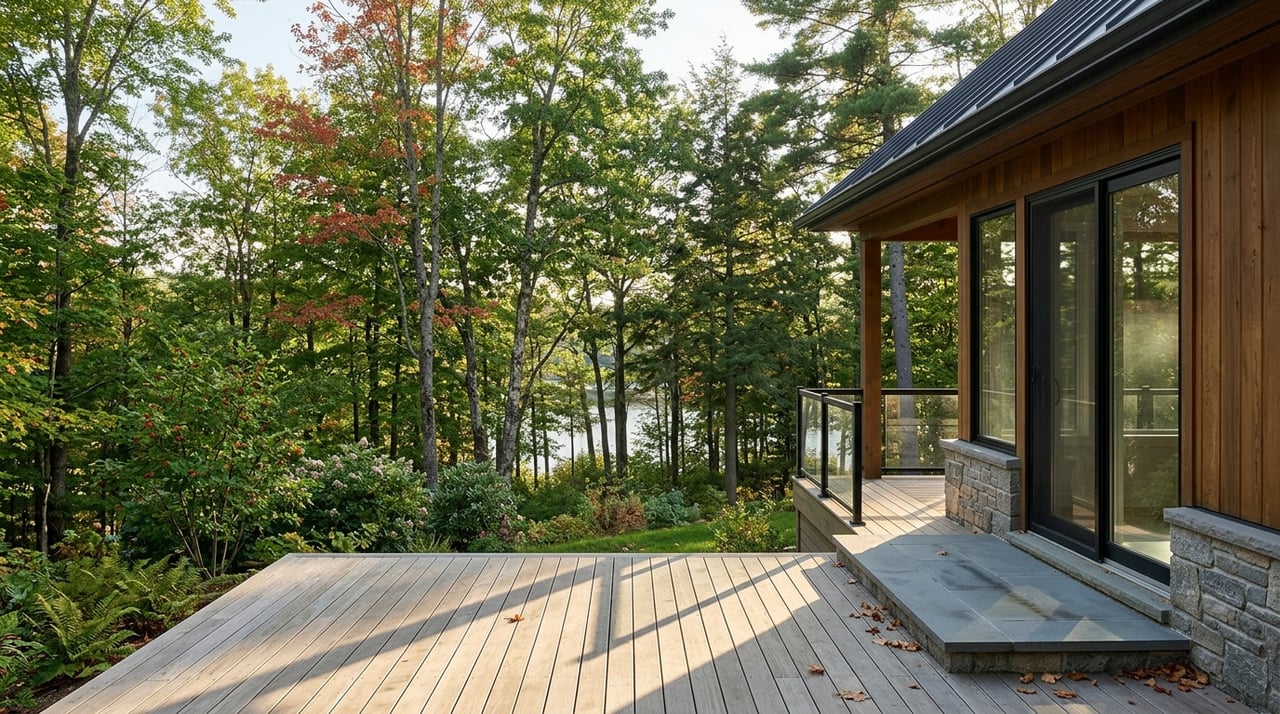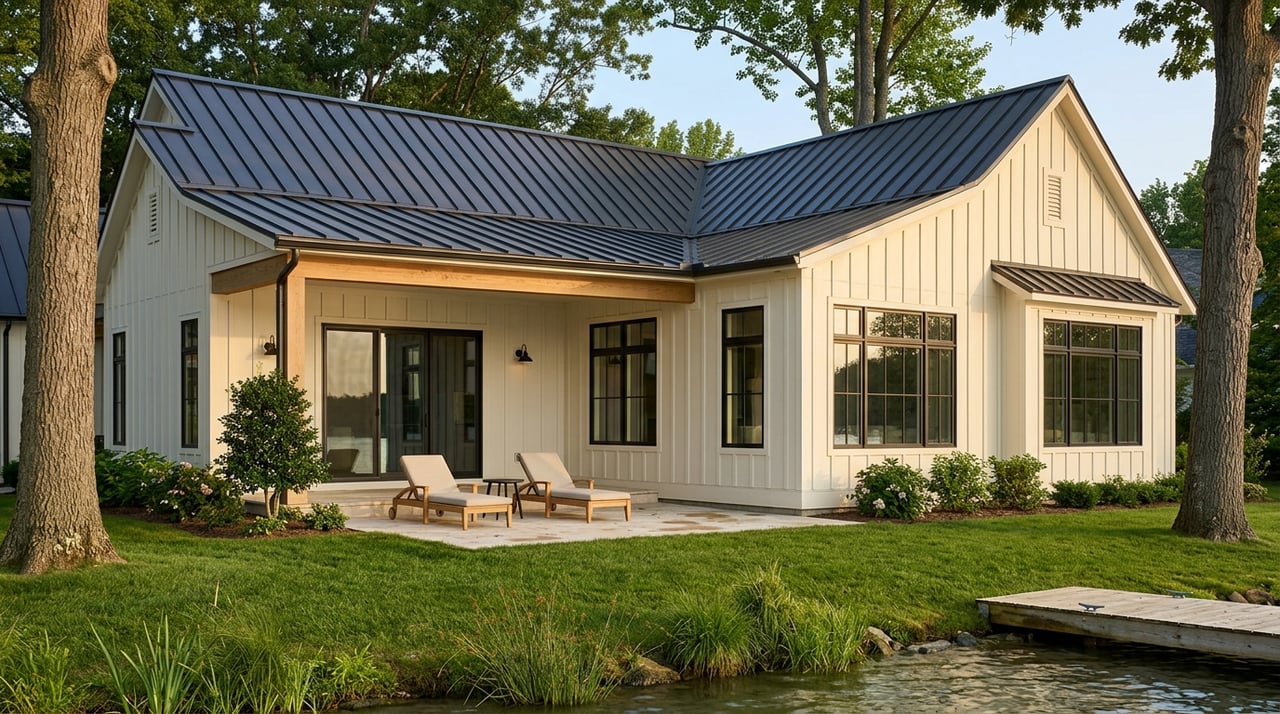
Buying a lake lot can feel exciting right up until the questions start piling up. Can you build now or later? Will the lot support septic and a well? What approvals do you need before you even choose a floor plan? If you are looking at Edgewater in the 28630 area, the good news is that the path from raw land to custom home is very doable when you understand the steps. Let’s dive in.
Why Edgewater Appeals to Lot Buyers
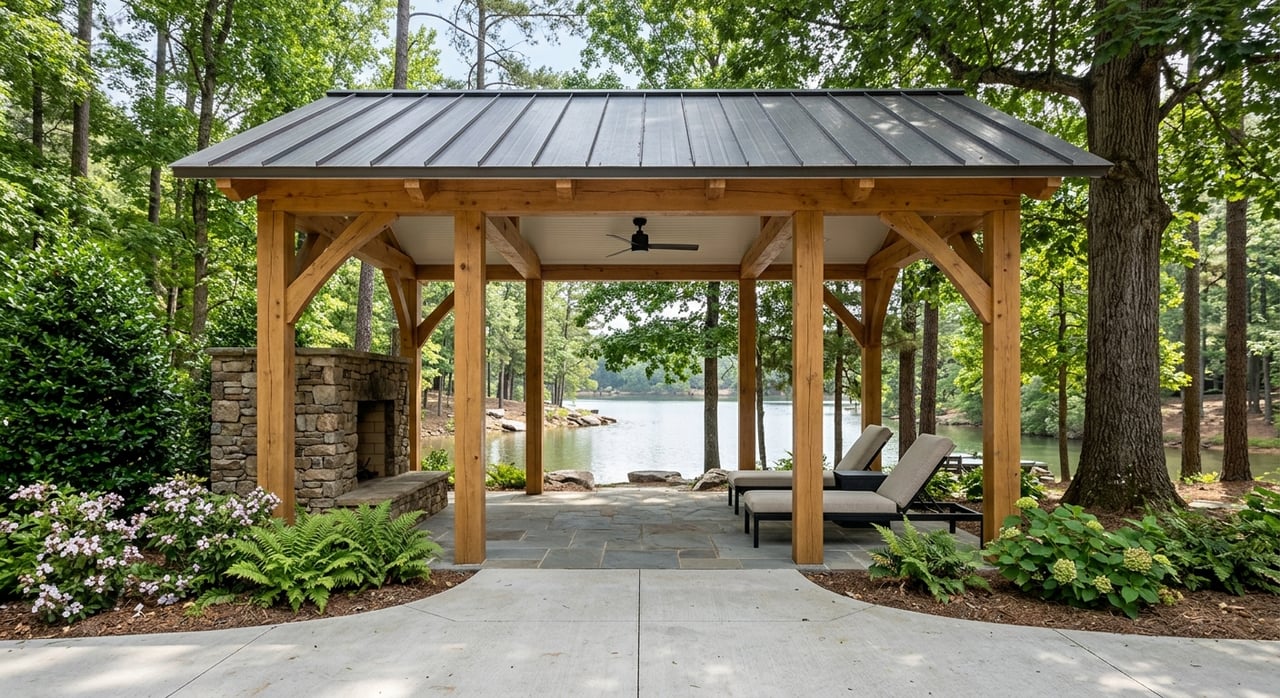
Edgewater is a small gated lakefront community on Lake Rhodhiss in Granite Falls in Caldwell County. Community-facing materials describe paved roads, an electric security gate, a pavilion, and underground electric and phone service, which gives buyers a strong starting point for planning a future home.
Just as important, Edgewater offers flexibility that many lot buyers want. According to the community information for Edgewater on Lake Rhodhiss, there is no time limit to build, and you can choose your own builder and floor plan. That can make it easier to buy the right parcel first and build when your timing is right.
Know the Edgewater Building Rules
Before you fall in love with a design, it helps to understand the community standards that shape what can be built. Edgewater materials state that the minimum size for a main residence is 1,400 heated square feet, and a guest house must contain at least 900 heated square feet.
The same source also says mobile or manufactured on-frame homes are not permitted, while stick-built and log-cabin homes are allowed. That matters if you are comparing different construction methods or builders.
There are also lifestyle and use rules worth knowing early. Edgewater allows camping for 7 days per 30-day period, which may be helpful while you are visiting the lot, but it is not a substitute for a long-term building plan.
ARC Review Starts Earlier Than Many Buyers Expect
One of the biggest surprises for lot buyers is that design approval is not just a final building step. In Edgewater, the Architectural Review Committee, or ARC, is part of the planning story from the beginning.
According to the Edgewater rules and regulations, improvements must be shown on a scaled survey, and ARC review can take up to 30 days. The rules also note that even repainting or repairs to previously approved work can require review.
That means your survey, site plan, home placement, driveway layout, and exterior details should be treated as a coordinated package. It also means you should not assume HOA approval replaces county approval. The rules specifically warn that local zoning requirements can add to or override community guidelines.
Start With Lot Buildability
When you buy land, the first real question is not style. It is whether the lot works for the home you want to build.
A smart due diligence review should focus on four basics:
- Buildability
- Access
- Utilities
- Regulatory overlays
The Caldwell County Planning Department provides access to zoning permits, floodplain development permits, variances, rezoning, and watershed applications. The county GIS also includes zoning, flood hazard, and watershed layers, which makes parcel-level verification important before you commit to a home site or driveway location.
If a lot falls within a mapped flood hazard area, additional review may apply. Caldwell County participates in the National Flood Insurance Program, so floodplain permits and flood insurance can become part of your planning process depending on the parcel.
Septic Is a Front-End Priority
In Edgewater, community materials say lots require individual septic systems and wells. That makes septic feasibility one of the first items to confirm, not a detail to handle later.
The Caldwell County septic and wells page explains that septic lot evaluations consider topography, landscape position, soil characteristics, soil wetness, soil depth, restrictive horizons, and available space. If the site is approved, the county issues a septic improvement permit and authorization to construct.
That authorization is a major milestone because it is required before building permits can be issued. In practical terms, if septic does not work for the home placement you want, the whole plan may need to change.
Well Approval Matters Too
Private well service is also part of the equation for Edgewater lots. Caldwell County Environmental Health handles new well applications, site evaluations, inspections, certificate of completion, and required water sampling after completion.
For buyers, that means your utility planning should include both the septic layout and the well location from the start. House position, driveway alignment, and outdoor features all compete for space on the lot, so these decisions work best when they are made together instead of one at a time.
Check Zoning Before You Finalize the Plan
Community rules are only one layer. County zoning can shape what is possible on the lot even if the HOA would otherwise approve it.
If a parcel is in R-20 zoning, the Caldwell County zoning ordinance lists standards including a 75-foot minimum lot width at the building line, a 30-foot front setback, 10-foot side setbacks, a 25-foot rear setback, a 35-foot maximum height, and a 50 percent cap on impervious coverage. The ordinance allows single-family site-built dwellings and modular homes, but not manufactured homes.
Those rules can affect more than just the footprint of the house. They can influence how you position a garage, whether an accessory structure fits, and how much flexibility you have with driveway design and outdoor living areas.
Lakefront Lots Add a Shoreline Approval Track
If your vision includes a dock or shoreline work, plan for one more layer of approval. On Lake Rhodhiss, shoreline improvements may not be covered by the same approvals used for the home itself.
Duke Energy shoreline permitting guidance states that projects such as docks, dredging, and shoreline stabilization on Duke-owned access areas require an Access Area Use permit. In other words, dock or shoreline work often follows its own permit path alongside county permits and HOA ARC review.
This is one reason lake-lot planning benefits from a coordinated approach. The lot may support your dream home, but that does not automatically mean every shoreline feature is approved in the same way or on the same timeline.
What a Typical Build Timeline Looks Like
Many buyers expect land closing to be followed by one building permit and then construction. In Caldwell County, the process is more layered than that.
The Caldwell County Building Inspections Department requires permits and inspections for new construction, additions, and remodeling. The county’s residential permit packet also shows the staged nature of the process, including inspections for temporary electrical service, footing, foundation, slab, rough-in, insulation, and final completion.
A practical sequence for an Edgewater lot often looks like this:
- Contract and title review
- Survey and site planning
- Septic and well approvals
- HOA ARC submission
- Building permit application
- Construction and county inspections
- Dock or shoreline permitting in parallel, if needed
That order can vary by parcel and project, but it reflects how county, community, and shoreline approvals typically intersect.
Can You Buy Now and Build Later?
Yes. Edgewater’s community materials say there is no time limit to build, which is a real advantage if you want to secure a lake lot before you are ready to start construction.
Still, flexibility is not the same as zero cost. Carrying a lot can include taxes, HOA dues, and the cost of holding the property while surveys, plans, and approvals move forward. Community-facing information for Edgewater also references a recent lot example with HOA dues of about $660 per year, but that should be viewed as a parcel-specific example rather than a universal standard.
A current Edgewater listing example showed 3.16 acres with R-20 zoning, paved road access, septic needed, well needed, and HOA dues of $660 annually. Conditions can vary by lot, so it is important to confirm details for the specific parcel you are considering.
Bringing Your Own Builder
Edgewater allows buyers to choose their own builder, which is a strong plus for anyone planning a custom home. But builder choice should come with careful verification.
The North Carolina Licensing Board for General Contractors states that a state general contractor license is required when a project is valued at $40,000 or more. On a custom lake home, that threshold can be reached quickly, so checking license status early is a smart move.
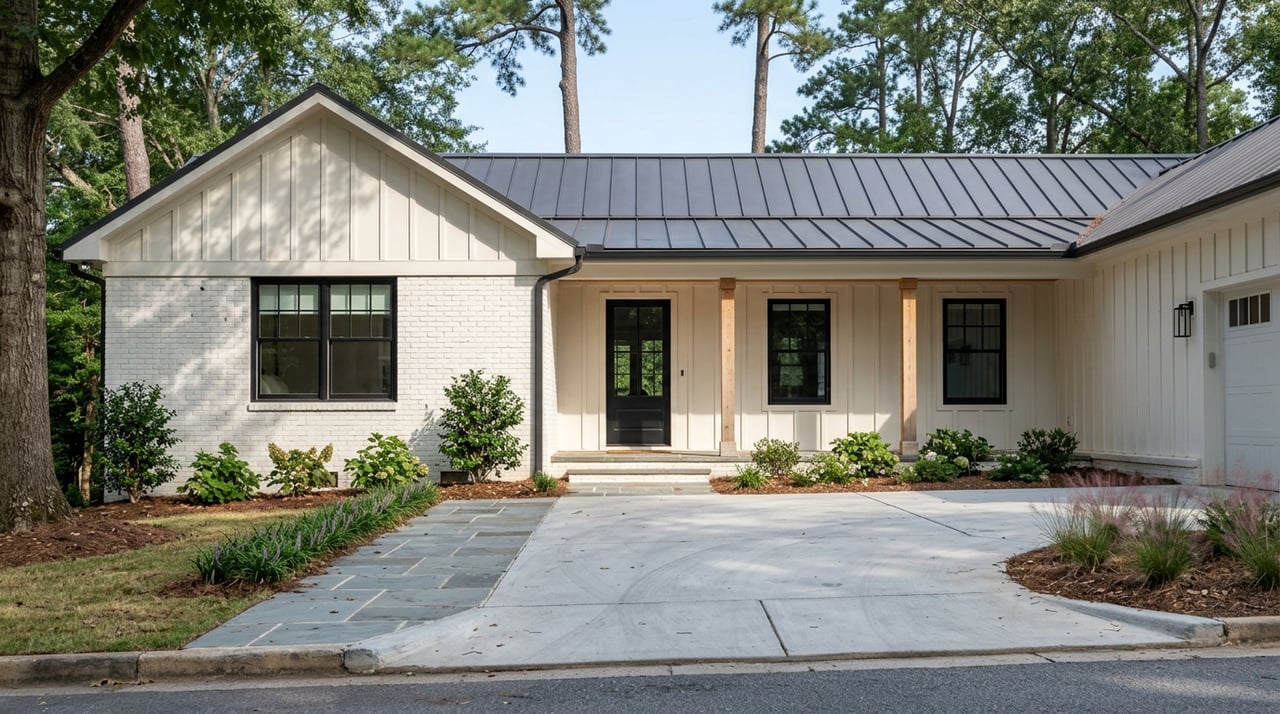
This is also where experience matters. A builder who is comfortable with septic and well coordination, survey-based site plans, ARC submissions, and possible shoreline permitting can help the process move more smoothly from concept to completion.
How a Local Broker Helps Simplify the Process
A lake lot purchase is rarely just about finding land with a view. It is about seeing the approval path clearly enough to make a confident decision.
That is where a local, broker-led approach can make a difference. With a property like this, you need someone who can help you spot covenant conflicts early, keep the timeline organized, and connect you with the right local professionals for surveys, septic evaluation, well work, building, and shoreline questions.
If you are considering an Edgewater lot or planning a custom home near Lake Rhodhiss, Zema Realty can help you evaluate the property, understand the process, and move forward with a plan that fits your goals.
FAQs
Can you buy a lot in Edgewater and build later?
- Yes. Community materials for Edgewater say there is no time limit to build, but ARC review and local permits still apply when you are ready to move forward.
Do Edgewater lots in Granite Falls need septic and a well?
- Yes. Community-facing Edgewater information says lots require individual septic systems and wells, and Caldwell County handles those approvals.
Do you need HOA approval before building in Edgewater?
- Yes. The Edgewater ARC reviews improvements shown on a scaled survey, and the rules say review can take up to 30 days.
Does a dock on Lake Rhodhiss need a separate permit?
- Often, yes. Duke Energy says shoreline projects such as docks and stabilization on Duke-owned access areas require an Access Area Use permit.
Can you choose your own builder for an Edgewater custom home?
- Yes. Edgewater allows you to choose your own builder and floor plan, but North Carolina requires a licensed general contractor for projects valued at $40,000 or more.
What should you verify before buying an Edgewater lot in Caldwell County?
- Focus on zoning, setbacks, floodplain or watershed overlays, septic feasibility, well approval needs, ARC requirements, and any separate shoreline permitting that may apply.